July 10, 2024
How Citizens Contribute to the Creation of Undemocratic Leaders
Mwila Chriseddy Bwanga
Leader | Governance & Youth Specialist | Speaker | Communications Strategist | Author | Founder at BeRelevant Afrika
In the famous words of Lord Acton, "Power corrupts, and absolute power corrupts absolutely." It is important to note, however, that in a democratic dispensation, power is a preserve of the people, lent out through an electoral process to certain privileged individuals of society to execute within a given tenure of service.
Politicians are not a creation of self; they are wholly dependent on the approval of citizens to sustain their hold on power. While we may point to many factors contributing to the decline of democracy in most countries around the world, it is key to note that the greatest threat to democracy is the democratically elected politician who understands that to sustain their hold on power, staying true to democracy and its ideals and principles will only cripple their grip on power.
Throughout history, dictators have found a way of staying in good books with their citizens while championing the narrative that whatever undemocratic act they might perform, it is being done for the good of the people. When such a narrative is widely spread, the citizens begin to believe it. The politicization of the mind is an ideal that most citizens find themselves entangled in—where people develop the failure to see any act of wrongdoing being committed by their democratically elected leaders. "If such an act of aggression, though undemocratic it might be, is not directly affecting me, then it is not my point of concern," citizens might establish.
Democratically elected leaders will at times break the law with impunity and receive praise from the citizens for doing so. As time evolves, political leaders would have amassed so much power beyond control that they become greater than the institutions that should hold them accountable. To ensure their hold on power, they have to remove everything that stands in their way—from collapsing institutions of democracy, dismantling opposition political parties, and casting a blind eye to corruption, to spreading propaganda and becoming greater than the law they have sworn to safeguard. When all these hurdles are out of the way, citizens become their target—at this point, citizens that were applauding every undemocratic act are now faced with the same wrath they applauded.
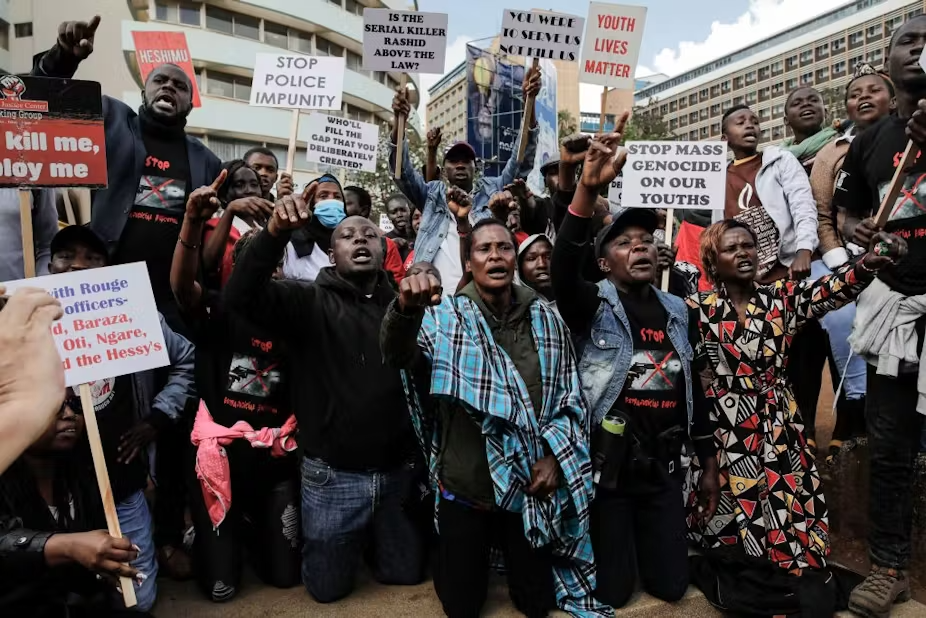
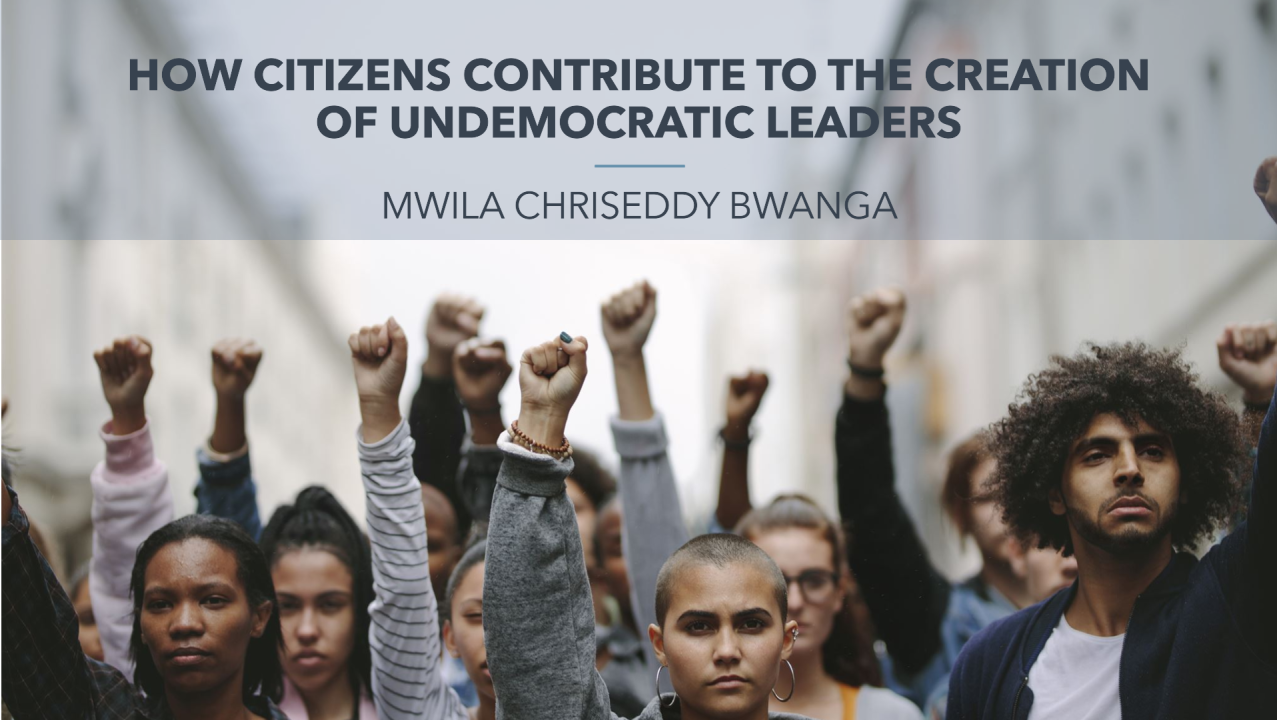
African youths protesting against the use of government institutions in shrinking democratic spaces.
The role of citizens in any given democracy is to hold leaders accountable—politicians fear voters more than they fear political rivalries. This is because, in a democracy, the electorate is the employer while the politician is the employee. Citizens should never lose this power by participating in the creation of Frankenstein politicians.
It is therefore, to this regard, that most democracies are crumbling around the world because citizens have failed to actualize their power during the tenure of a democratically elected leader or party. Lest citizens create leaders they shall fail to recognize tomorrow, they have to ensure that they hold their democratically elected leaders accountable today.
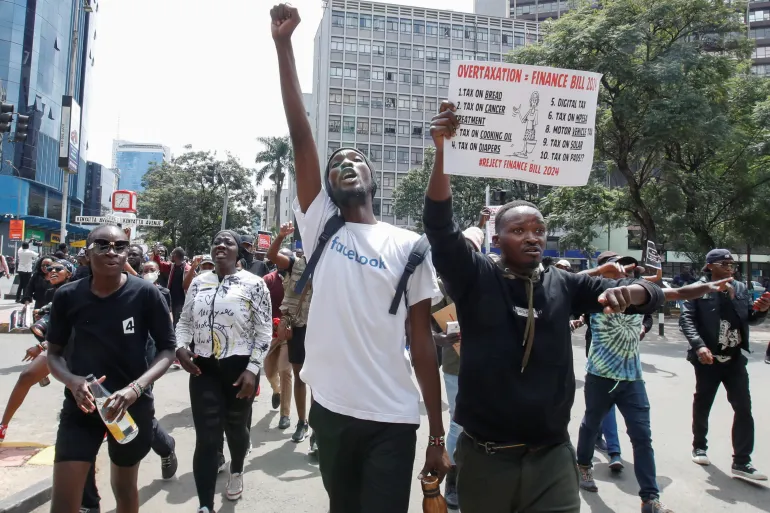
Kenyan Youths Protesting against the Controversial Finance Bill - Protecting their Future.
The citizens' greatest strength in a democratic dispensation is their ability to cast a vote, but most importantly, their ability to use their voice in the wake of safeguarding their strength. Citizens have to believe in democracy and the power it holds to give future generations a voice, and such an ideal should never die because of society's desire to support every undemocratic act that their favorite politicians do. Kenyan youths have proved to the world that politicians can be curtailed and held accountable for their actions.
Democracy surely has the power to deliver!